Issued by EPF and PIANZ
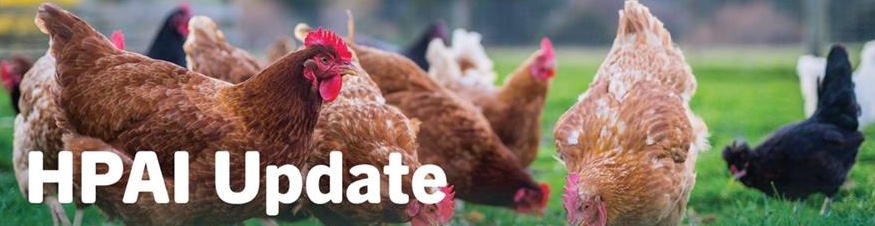
Avian Influenza Incident in Australia.
In the past week it was confirmed that two egg farms in the state of Victoria, Australia, and one in Western Australia has tested positive for a High Pathogenic Avian Influenza (HPAI) virus through preliminary testing. Subsequent testing has confirmed it is the H7N3 strain in Victoria and H9 in western Australia, not the highly virulent H5N1 strain dominating in countries around the world. H5N1 has not been detected in Australia.
New Zealand and the Pacific Islands remain the only two countries without a strain of HPAI, however our remote geographic location does not make us exempt from risk. As such, New Zealand’s biosecurity measures are moving to a new phase of vigilance and coordination.
Our egg and poultry farmers remain the frontline force for early detection at a local level. Nationally, extensive work is underway to best prepare for a response, including business continuity and biosecurity resilience. Industry is working closely with the Ministry for Primary Industries (MPI), Biosecurity NZ, and Food Safety NZ. Together we are part of a coordinated response called ‘One Health’. Its purpose is to prepare for an incursion of HPAI across MPI, Government, the Department of Conservation, Dairy NZ and the Ministry of Health, and to respond rapidly.
Avian influenza is mostly spread by wild birds contaminating food or water supply. It can spread rapidly by the movement of eggs, birds, people, vehicles, farm equipment between farms, as well as aerosols, litter, biting insects and vermin. Therefore, the highest levels of biosecurity are paramount for all poultry owners.
A reminder of the symptoms to look out for follows. A poster for action should avian influenza be suspected on farm is with this update. Further information about avian influenza and the current response is available on MPI’s website:
www.mpi.biosecurity/pests and diseases not in New Zealand/Animal diseases not in NZ/ highly pathogenic avian Influenza and the risk to NZ
What are the symptoms of AI?
- sudden death
- respiratory signs (noisy or rapid breathing, coughing, sneezing, increased nasal secretions)
- conjunctivitis
- swelling of the head
- purple discolouration of the comb and wattles
- rapid decrease in feed and water intake
- decreased egg production
- ruffled feathers
- depression
- closed eyes
- diarrhoea
- nervous signs (twisted neck, inability to stay upright, inability to fly, uncoordinated movement, walking or swimming in circles, partial or full paralysis).
Download the HRA1 Update 1 Poster HERE > HPAI update 1 Poster
What to do if these symptoms occur?
If any of these symptoms appear, you must call the MPI Exotic Pest and Disease Hotline immediately on 0800 80 99 66. Do not handle sick birds yourself.
Media Enquiries
The topic of avian influenza is high profile in the media and will undoubtedly continue to be so. A request that that all members of PIANZ and EPF are to refer media inquiries to the Auckland office, (09) 520 4300. Michael Brooks, Executive Director is the ONLY industry representative to comment publicly on this matter. In the event of an HPAI outbreak, MPI will be leading the response and PIANZ and EPF will be referring media inquiries through to MPI’s media centre.
Prepared by:
Ministry for Primary Industries
Poultry Industry Association of New Zealand